§ 00 · SHINKA · 進化
Shinka.
進化 · evolution
What it means to build in 2026.
A working creed, in progress. Optimistic on purpose. For the people who would rather make the thing than talk about it.


For most of history the bottleneck was hands. The distance between an idea and the working thing was measured in people and months. That distance just collapsed. The job I am doing today did not exist two years ago, and the leverage one builder can reach went from incremental to absurd. This is not a threat to the people who make things. It is the best thing that has ever happened to them.

Leverage is not doing more of the same, faster. It is being freed to do only the part that is yours. The indexing, the cross-referencing, the clerical labor that never made anything better, goes to the machine, which does not get bored. The judgment, the taste, the care, stay with you. You end up doing more of the work you love, not less.

I build systems where humans and agents work together as participants, not as a person poking at a tool. Agents get assigned the work. They take action, flag what is wrong, and learn from what happens. The newest members of a strong team in 2026 do not have a LinkedIn profile, and the work is better for it. This is not replacement. It is the arrival of colleagues who never sleep and never tire of the parts we always hated.

Every system humans built to hold what they knew failed at the same place: it cost more to maintain than it returned. That trap just broke. A system can grow more valuable the longer it runs. So can a codebase. So can a career. Build the things that compound, and let time do the work.

For fifteen years we kept the what and threw away the why. The commit survived. The thinking behind it evaporated. Now the reasoning itself can be kept, queried, and handed forward. What you decided matters less than why you decided it, and the why, at last, lasts. A team that keeps its why stops re-deciding the same things and starts compounding its judgment.

The same idea, scaled up, moves real weight. My days go to healthcare payments: five companies becoming one platform, more than two hundred billion dollars in claims a year, a hundred and sixty million people whose care depends on it working. At that scale you learn the lesson fast. AI did not make quality cheaper to skip. It freed us to spend all of our judgment on raising it. Build systems that catch and fix their own mistakes before a person ever looks, and that lift the bar on what done means instead of lowering it.
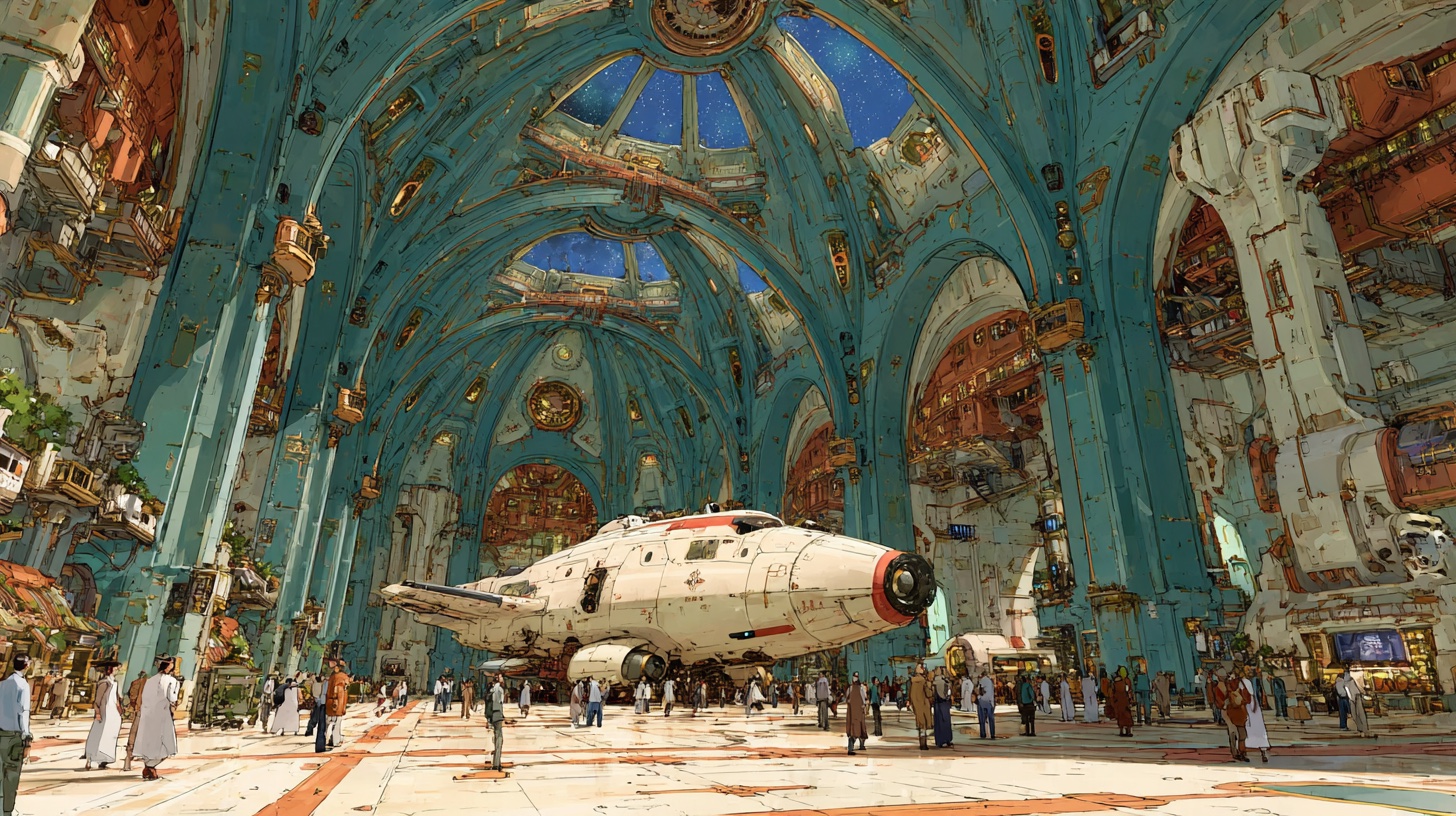
The technology changes. The pattern does not. Semiconductors, then databases, then analytics that wanted to be a platform, then agriculture going digital, then healthcare going AI-native, now healthcare payments rebuilt around agents. Different surface, same core: there is always an infrastructure problem hiding inside the business problem, and the leverage is in finding it. Twelve years of writing code before any of the rest. That used to be a nice bonus. In 2026 it is the baseline.

It is easy to be clever about why the future will disappoint. It is harder, and far more useful, to build as though it is worth it. Optimism is not naivety. It is the working assumption of everyone who has ever made something that mattered. The builder chooses it on purpose, every morning.

The conditions that make all of this possible are recent, real, and barely explored, and most of the world is not remotely ready for what they unlock. That is not a warning. It is an invitation. The shape of what is coming is already visible, and naming the shape changes how we build toward it. We are not late to something finished. We are early to something wide open.
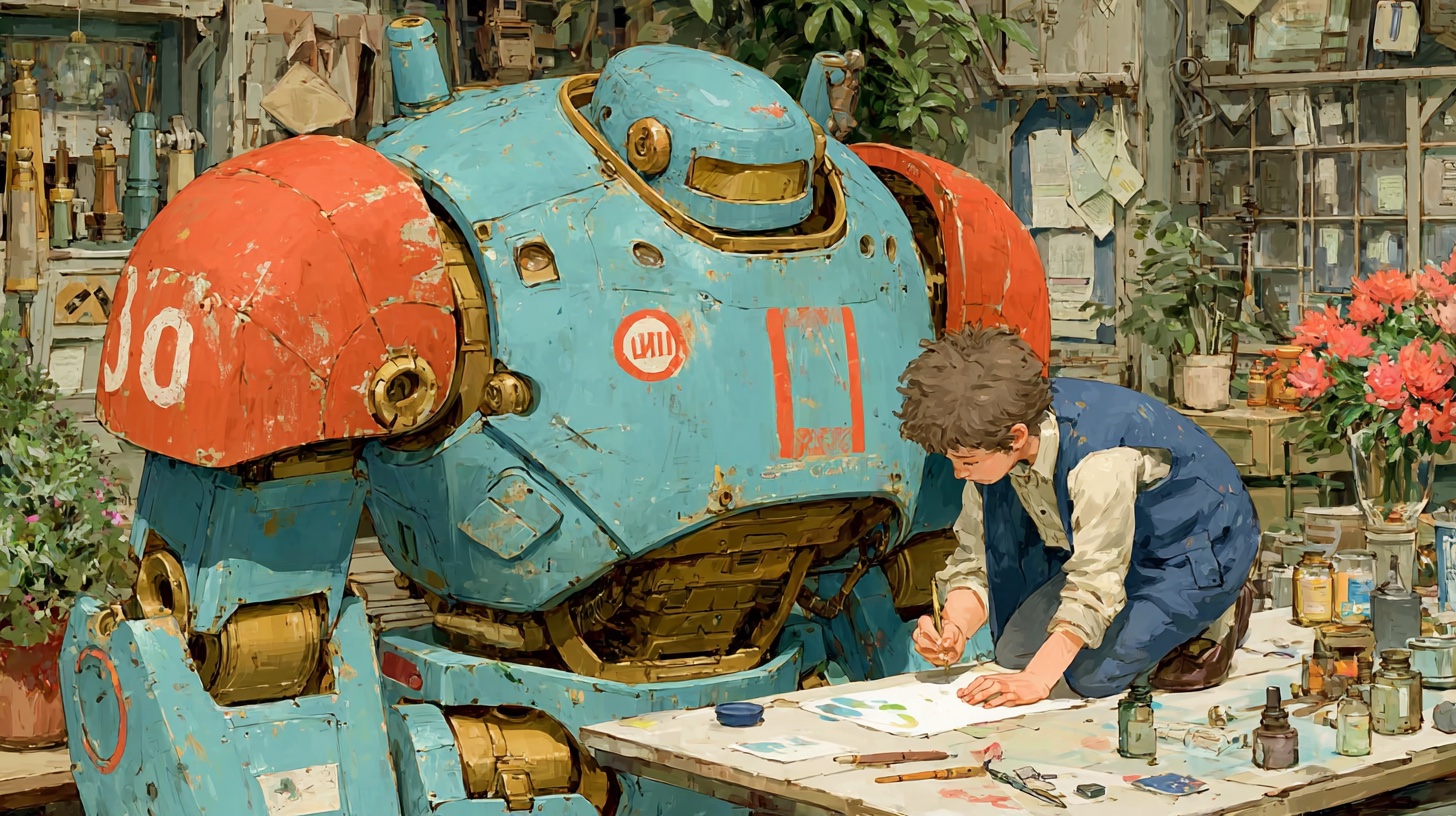
There is a person who would rather make the thing than talk about it. Who sees a new kind of leverage and reaches for all of it, not a careful slice. Who is not waiting for permission, a title, or a finished playbook. Who believes, without apology, that the world can be better and that building is how you say so.
They build software, stories, systems, companies, families, futures. They build things worth building.